Our work
Research
We ask how differences in mitochondrial function affect organisms in their environments, and how those differences evolve.
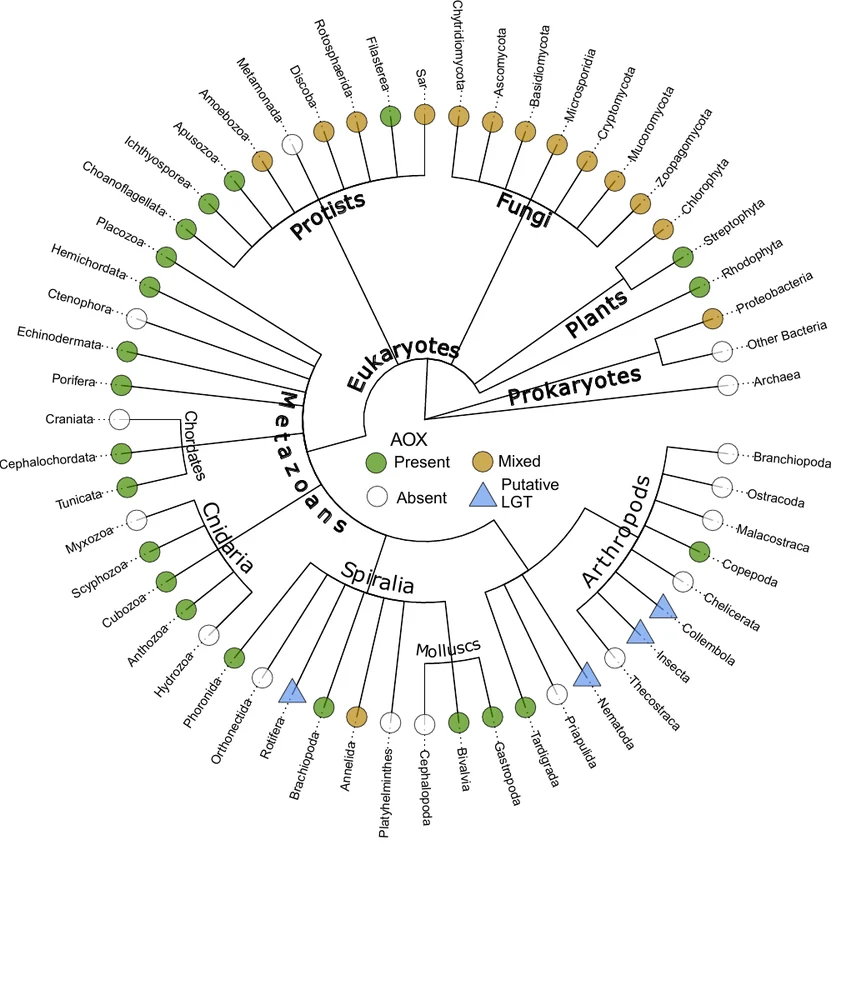
Alternative oxidase (AOX) gives mitochondria another route for transferring electrons to oxygen. Some animal lineages have this pathway; many others do not. We study how it was acquired or retained, how it functions, and whether it helps animals tolerate respiratory stress.
Our work on springtails connects the history of horizontally acquired AOX with its physiological function and life belowground. We also compare AOX across the tree of life to understand where the pathway occurs and how it has changed.
Questions we’re asking
- Does AOX help animals tolerate low oxygen, respiratory inhibitors, or other environmental challenges?
- How does a horizontally acquired gene become integrated into animal physiology?
- Does an alternative respiratory pathway change selection on mitochondrial and nuclear genes?
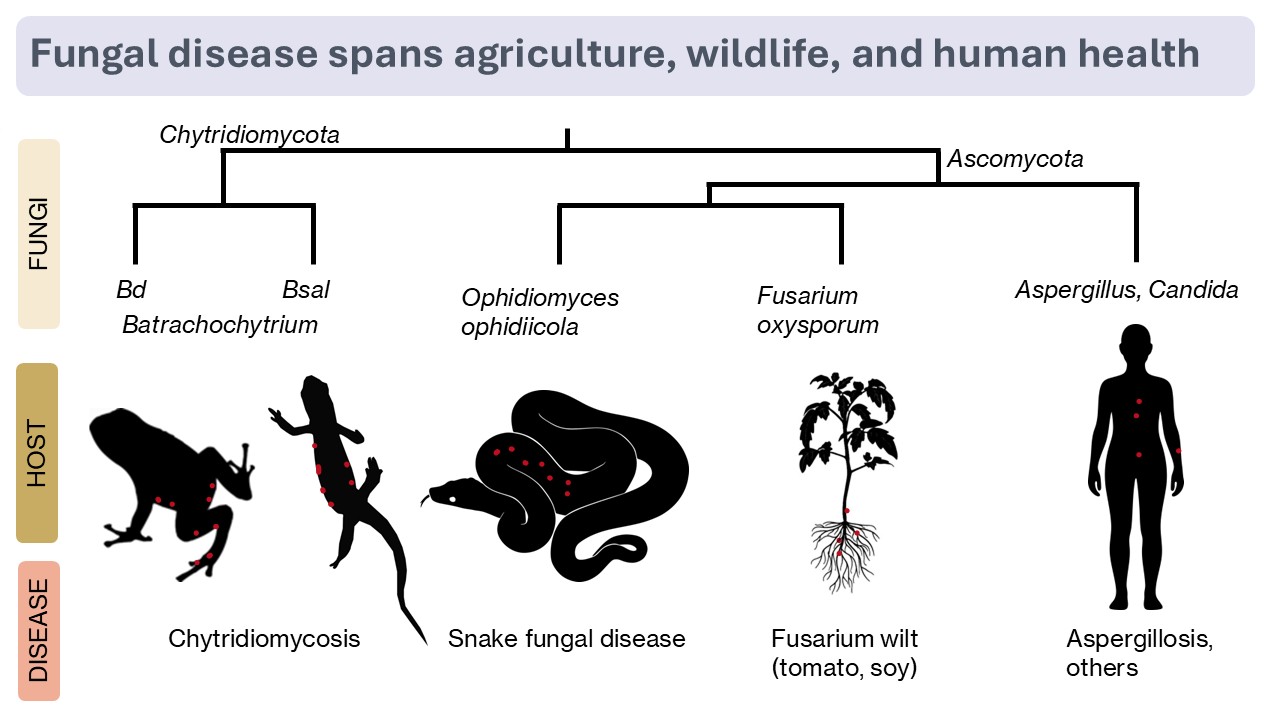
Fungal pathogens encounter changes in oxygen, temperature, nutrients, and host defenses. We study whether alternative respiratory pathways help them survive these conditions and how mitochondrial function influences infection.
Puja Bajracharya studies AOX in the tomato pathogen Fusarium oxysporum, with a focus on low-oxygen adaptation, respiration, oxidative stress, and host infection. Israt Mouri studies AOX pathways in fungi associated with amphibians and reptiles.
Questions we’re asking
- Does AOX help fungi tolerate respiratory inhibition or environmental stress?
- How do changes in respiration affect fungal growth and interactions with a host?
Bees & environmental stress
Pollinator bioenergetics
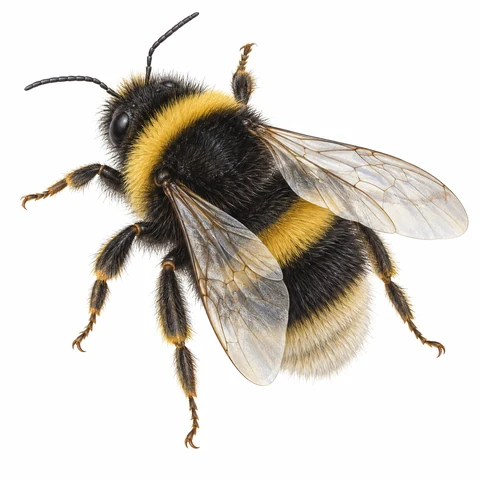
Flight, foraging, and temperature regulation all demand energy. We are developing projects that link mitochondrial function with the ways bees meet those demands.
Current interests include bumble bee foraging energetics and division of labor, along with responses to heat and cold in the alfalfa leafcutting bee, Megachile rotundata.
Questions we’re asking
- How does mitochondrial function differ among tissues, life stages, or behavioral roles?
- How do heat and cold affect mitochondrial performance and the functioning of the whole bee?
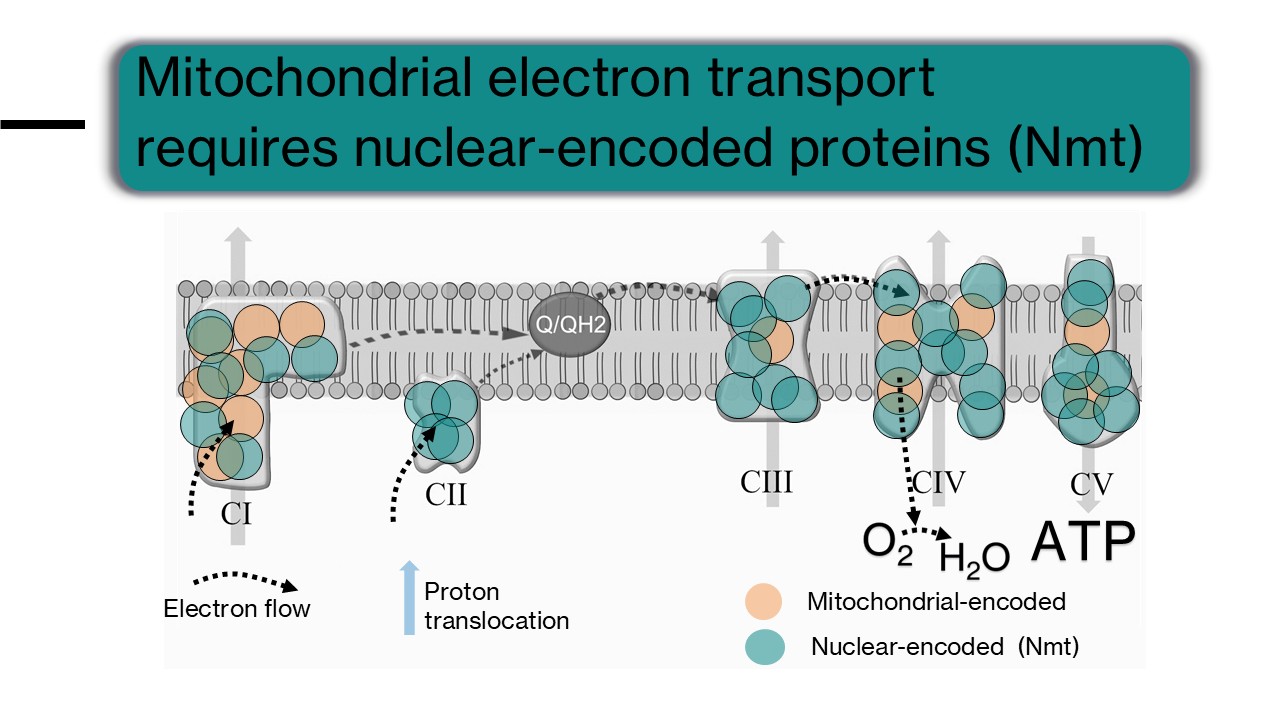
Oxidative phosphorylation relies on proteins encoded by both mitochondrial and nuclear genomes. Changes in one genome can affect how proteins from the other work. We test how these genomes remain functionally coordinated as they evolve.
Our work examines whether nuclear changes compensate for mitochondrial changes, and how to distinguish adaptation from relaxed selection when interpreting molecular evolution.
Questions we’re asking
- How closely do interacting mitochondrial and nuclear genes coevolve?
- When do correlated evolutionary changes reflect compensation, shared constraints, or relaxed selection?
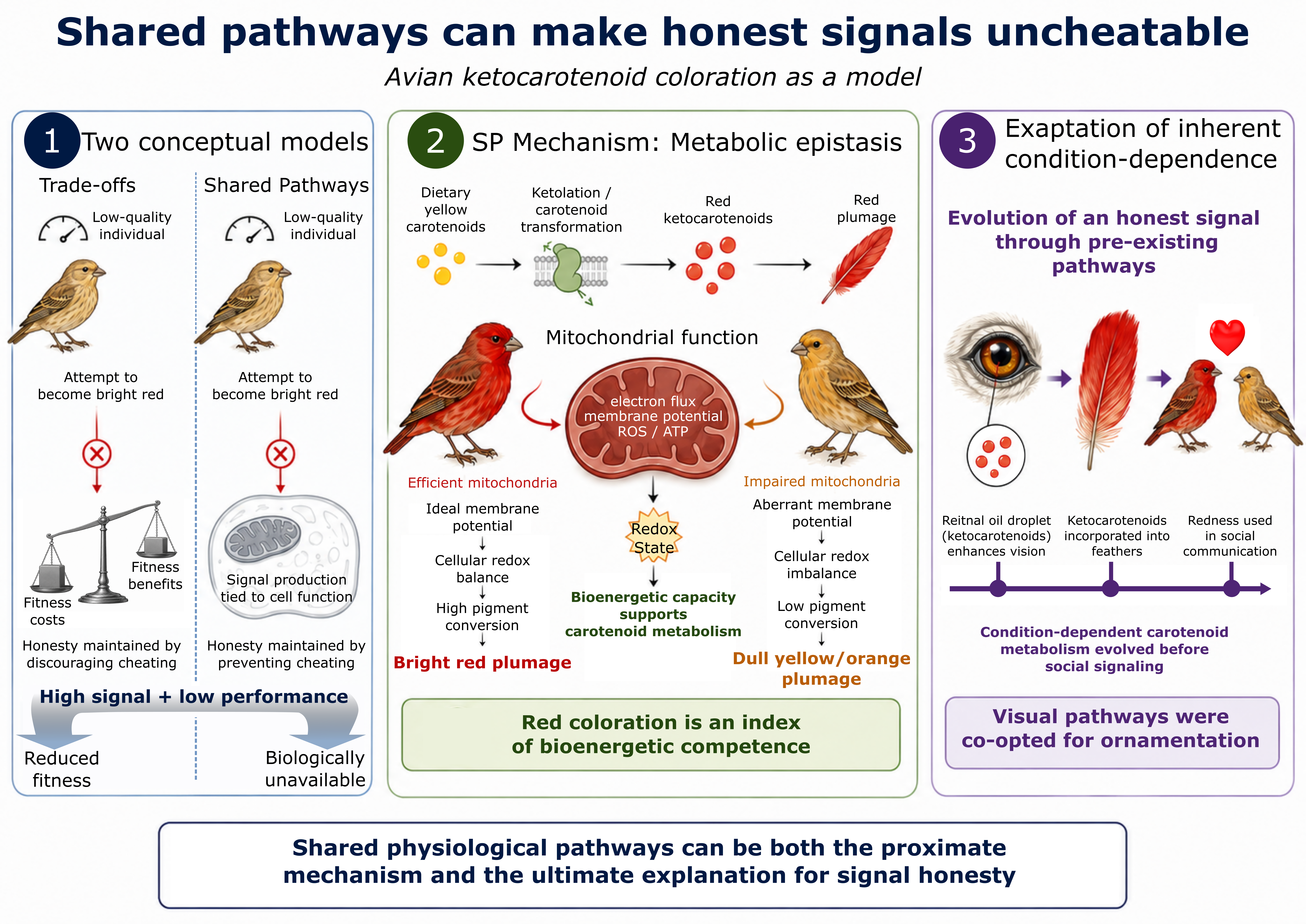
We also study the physiology behind animal color displays. This work asks how carotenoid metabolism connects ornament production with an animal’s condition, and why that connection may keep signals honest.